
Course Structure and Movement
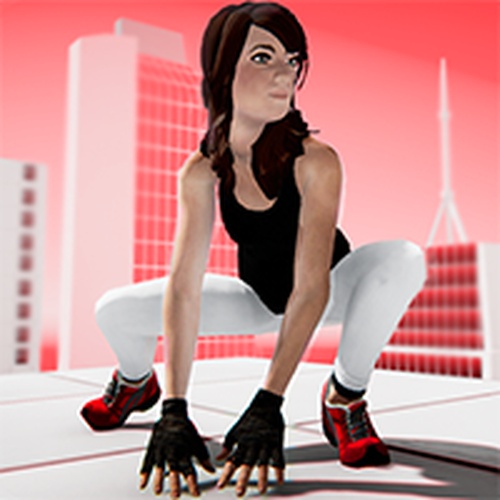
Parkour GO places a single runner on urban courses filled with gaps, low barriers, and other obstacles. The objective is straightforward: reach the end of each course as quickly as possible without falling or colliding. Movement centers on three actions—running, jumping, and sliding. Jumping clears gaps and raised obstacles, while sliding gets the character under low barriers. Courses grow more difficult as you progress, so the timing window for each action tightens over time. The urban settings change between courses, which keeps visual routing from becoming purely repetitive.Camera Choice and Its Effect on Play
The game supports both first-person and third-person perspectives, and a dedicated key switches between them at any time. Third-person view shows the character's position relative to nearby obstacles, which helps with judging jump distance and slide timing. First-person view removes the character from the frame and puts the camera at eye level, which can make speed feel more immediate but reduces peripheral awareness of the character's body. Players who struggle with depth perception in one view can switch to the other without restarting the course.Controls and Session Flow
Keyboard controls handle all actions. The spacebar jumps, a separate key triggers the slide, and the escape key pauses the game. Because input response is immediate, mistakes usually trace back to timing rather than to control lag. A timer tracks completion times, giving each run a measurable result and encouraging repeated attempts. There is no combat, no scoring system based on defeats, and no inappropriate content, so the challenge comes entirely from precision and speed.Who This Suits
Casual players can finish courses at their own pace, while speedrunners can treat the timer as the real opponent. The skill ceiling sits in shaving seconds off a route rather than in unlocking content. Improvement comes from learning obstacle placement and holding a steady rhythm instead of rushing individual inputs.✅ Compatibility & Testing
• Desktop (Windows 11, macOS Ventura)
• Mobile (iPhone 14, Samsung Galaxy S23)
• Tablet (iPad Pro, Android tablet)
✅Supported browsers: Chrome, Safari, Edge, Firefox (latest versions)
❌ Not supported: Internet Explorer, older browser versions







Editorial Notes