What players say
Relaxing Sudoku and Futoshiki offers a polished puzzle experience with a calming sakura garden theme. The adjustable difficulty and hint system make it accessible for all skill levels. The gentle music and visuals enhance focus without distraction. Replayability is high due to the variety of puzzles and difficulty settings, making it a valuable addition to any puzzle lover's collection.
About this game
Game Introduction
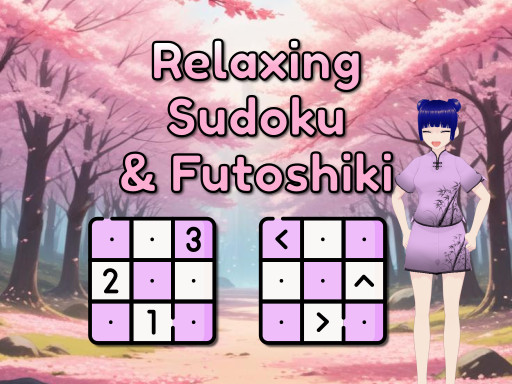
This game combines two classic logic puzzles—Sudoku and Futoshiki—into a single, calming experience. Set in a peaceful sakura garden with soft pastel colors and falling cherry blossom petals, it offers a serene environment for puzzle enthusiasts. The core objective is to fill grids with numbers using logical deduction, choosing between the familiar Sudoku format or the inequality-based challenges of Futoshiki. Designed to be accessible for beginners and engaging for experts, it provides a gentle mental workout while promoting relaxation.
How to Play
Players start by selecting either Sudoku or Futoshiki from the main menu. In Sudoku, the goal is to fill each row, column, and 3x3 box with unique digits from 1 to 9. In Futoshiki, players must use inequality signs between cells to determine the correct numerical order. To input a number, tap or click on a cell and select a digit from the on-screen keypad. A hint button is available for guidance, and difficulty can be adjusted from easy to hard in the settings. The game automatically saves progress, and puzzles can be restarted at any time.
Game Features
Key features include a calming sakura garden theme with soft pastel colors and falling petals, adjustable difficulty levels ranging from easy to hard, and a built-in hint system that offers gentle assistance. Soothing background music and intuitive controls enhance the experience. The game also includes automatic progress tracking and the ability to restart any puzzle. These elements combine to create a stress-free environment for logical thinking.
Tips for Success
To improve your skills, start with easier difficulty levels to understand the basic rules of each puzzle type. Use the hint system when stuck, but try to solve puzzles independently first to build logical reasoning. For Sudoku, focus on filling in obvious numbers before moving to complex deductions. For Futoshiki, pay close attention to inequality signs and use elimination strategies. Regular practice will help you recognize patterns more quickly. Take breaks if you feel frustrated, as the game is meant to be relaxing.