
Managing Two Characters at Once
Cooperative Portal Dash Arcade hands you two characters on the same course, and both must reach the portal at the end of each level. A pursuer follows a fixed path behind them, gaining speed steadily, so standing still is not an option. Because you steer both figures in parallel, the real challenge is dividing attention: one character might need a precise jump while the other waits out a moving obstacle. Every run becomes a coordination exercise rather than a pure speed test.
Obstacle Patterns and Coin Routes
Course layouts change as you progress. Some sections ask for well-timed jumps, while others require you to pause and let a hazard pass before moving. Coins are not just points; their placement often hints at safer routes through a tricky stretch. Collect enough coins and the portal opens. Miss too many and you may need to replay the level to gather the required amount, which pushes you to refine your route rather than rush blindly.
Pixel Art Built for Clarity
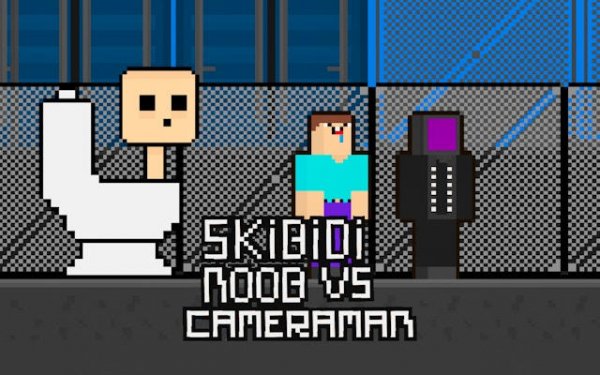
The pixel art style keeps the screen readable even when both characters are moving fast. Sprites are simple but distinct, so your eyes can track each figure without confusion. Bright colors and clean outlines separate obstacles, coins, and backgrounds at a glance. That visual clarity matters because the game already demands split attention; cluttered graphics would make the dual-control system frustrating instead of challenging.
Solo Versus Two-Player Play
You can take on the game alone, controlling both characters yourself, or share the job with a second player who handles one figure. Solo mode tests your ability to switch focus quickly between two positions on screen. In two-player mode, timing and communication matter more than raw reflexes, since each person must anticipate what the other will do. Both options use the same levels, so the difficulty shifts with how you choose to play.



Editorial Notes