
Reading the Incomplete Picture
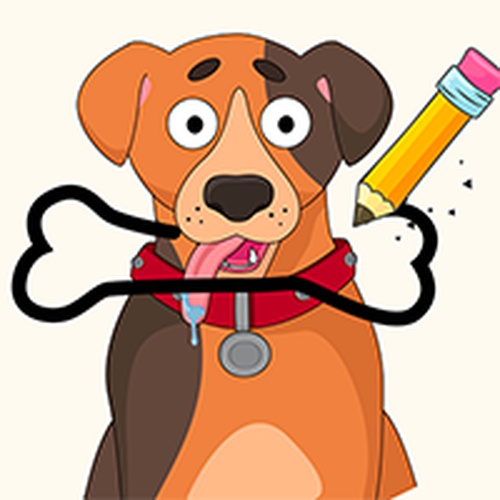
Each puzzle hands you an image with a deliberate gap. Your first job is not to draw but to look: identify the shape, object, or detail that has been removed. The game mixes art and logic, so the missing element is usually something you can deduce from the surrounding picture rather than guess at random. That deduction step is the real puzzle, and the drawing is how you confirm your answer.
Drawing as the Answer
Once you have decided what belongs in the gap, you draw it directly on the screen with a mouse or a finger. Precision matters because your addition sits alongside the existing artwork, and the goal is to make it blend with the rest of the image. There is no timer running, so you can sketch, adjust, and refine at whatever pace suits you. When the picture reads as complete, you move on to the next challenge.
Hints and Pacing
A hint system is available for moments when the missing part is not obvious. Hints guide your thinking without handing over the full solution, which keeps the problem-solving part of the game intact. Because the game sets no time limits, it leans toward a calm, unhurried session rather than a pressure-driven one. That design also makes it approachable for younger players and for adults who want a low-stakes mental workout.
Who It Suits
The combination of simple touch controls, colorful graphics, and family-safe content positions this as a game for a wide age range. Children can enjoy the drawing, while adults may find the observation and deduction more engaging than expected. Replaying levels is a reasonable way to sharpen both your eye for detail and your drawing accuracy over time.




Editorial Notes