
What You Actually Do
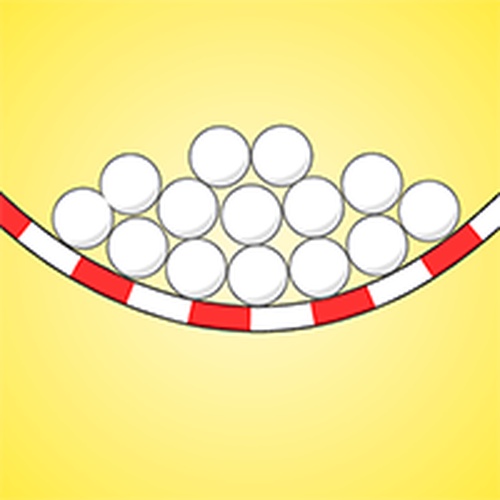
Each level presents a rope and a set of objects. Your job is to wrap the rope around those objects in the correct order. You click or tap the rope, then drag it into position. The puzzle is solved when the rope covers the arrangement precisely as intended. Because the objective is clear from the start, you always know what success looks like — the challenge is figuring out the path.
Why the Order Matters
The sequence in which you wrap the rope is the puzzle. Wrapping one object before another can block the path you need later, so you have to think ahead. This is where spatial awareness and logical planning come in. The game does not rely on reflexes or speed; it asks you to visualize the rope's route before you commit. That single decision — which object to wrap first — drives every level.
Relaxed, Penalty-Free Design
There are no timers and no penalties for mistakes. If a wrapping order fails, you retry as many times as you like. That removes the pressure common in timed puzzle games and makes experimentation the intended approach. You can test a sequence, see where it breaks, and adjust. The absence of a countdown also means the game fits short breaks or longer sessions equally well.
Visuals and Accessibility
The graphics are colorful and clean, which keeps the rope and objects easy to distinguish. Simple drag-and-touch controls mean no complex input to learn. Difficulty increases across levels, so early puzzles teach the wrapping mechanic before later ones demand more careful planning. The family-friendly presentation and lack of time limits make it approachable for players of all ages.



Editorial Notes