
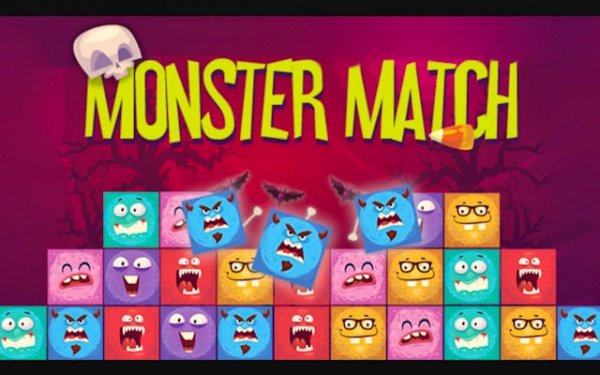
Swap, Match, and Clear
Creature Match 3 Puzzle asks players to swap adjacent creature tiles on a grid to form a horizontal or vertical line of three or more identical tiles. When a match is made, those tiles disappear and new ones drop into the empty spaces. This can set off chain reactions, where falling tiles create additional matches without another swap. The immediate goal is to clear tiles and earn points, but the real challenge lies in spotting swaps that trigger multiple matches at once.
Time Pressure and Decision Making
A timer runs during each session, pushing players to act quickly. Rushing without a plan often leads to missed opportunities, while overthinking wastes precious seconds. The balance between speed and foresight defines each attempt. As players progress, new creature types appear, and each one behaves differently. Some may help by making matches easier to form, while others complicate the board by limiting available moves. Recognizing these traits early lets players adjust their approach instead of reacting late.
Progression and Replayability
Difficulty grows as sessions continue, introducing new obstacles or tile types that require fresh strategies. The game ends when no more matches are possible or time expires, nudging players to maximize every move. Because the board changes with each play, no two sessions unfold the same way. That variability keeps the puzzle fresh for short breaks or longer stretches, and the simple controls make it accessible to players of any age.



Editorial Notes