
Exploring the Misty Forest
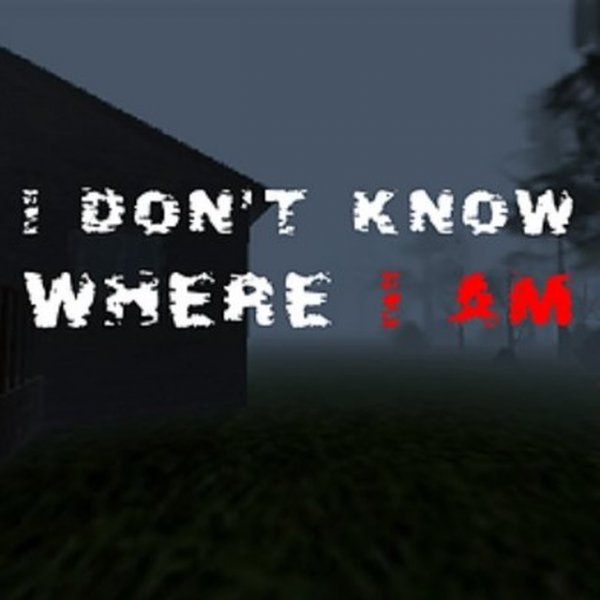
Foggy Path Puzzle Journey places players at the edge of a dense forest where thick mist limits visibility. The environment encourages slow, deliberate movement. Without maps or markers, each step requires careful attention to subtle details in the surroundings. The fog itself acts as a gameplay element, obscuring paths and objects until the player gets closer. This design creates a sense of discovery, making every cleared area feel rewarding. The game is built with WebGL and runs in modern browsers without downloads or plugins.
Clicking for Clues
Objects scattered along the trail are not just decorations. Players can click on them to examine them closely. Some items reveal hidden messages, while others might shift to expose a new path. The game rewards thoroughness: checking the same spot from a different angle can yield new information. This system encourages players to think like detectives, piecing together small observations to form a bigger picture. The clues are never overly complex, making the experience accessible to younger players. The abandoned house at the center of the story holds a secret that changes based on how thoroughly the forest was explored.
Family-Friendly Design
This game was created with a focus on non-violent, cooperative fun. There are no enemies, timers, or failure states that cause frustration. Instead, the challenge comes from patience and logical thinking. The calm atmosphere is complemented by gentle ambient sounds and soft visuals. Parents can feel confident letting children play alone, as the content contains no frightening or inappropriate elements. The game also supports multiple devices, so families can play together on a tablet or computer.
Replay Value and Accessibility
Each playthrough may present slight differences in the placement of clues or the behavior of the fog. Returning players might notice something they missed before. The abandoned house at the center of the story holds a secret that changes based on how thoroughly players explored the forest. This design encourages multiple visits without feeling repetitive. Sessions can be short, but each one offers a complete sense of progress. The controls are intuitive: use the mouse to look around and click to interact, while keyboard arrows handle movement. The game adapts to different screen sizes, ensuring a consistent experience on phones, tablets, and desktop computers.








Editorial Notes