
Two Puzzle Formats in One Calm Space
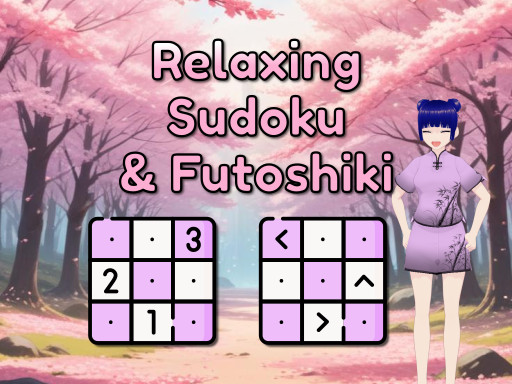
Peaceful Sudoku and Futoshiki bundles two deduction-based number puzzles under a single garden-themed presentation. Players pick either Sudoku or Futoshiki from the main menu. Sudoku uses a 9x9 grid where each row, column, and 3x3 box must contain the digits 1 through 9 exactly once. Futoshiki replaces fixed boxes with inequality signs between adjacent cells, so placement depends on reading those greater-than and less-than relationships alongside standard no-repeat rules. Both formats reward careful elimination rather than guesswork, and the shared interface keeps switching between them simple. [IMG_1]
How Number Entry Works
To place a number, select a cell and then tap a digit on the on-screen keypad. This two-step input works the same way in both puzzle types, so players who learn one format can move to the other without relearning controls. A hint feature provides guidance when a puzzle stalls, and the settings menu lets players change difficulty. Progress saves automatically, and any puzzle can be restarted from the beginning if a fresh attempt is preferred. [IMG_2]
Difficulty, Hints, and Pacing
Difficulty adjusts through the settings menu, covering a range from easy to hard. The hint system is available throughout, which gives players a way to continue without abandoning a grid. Because progress saves automatically, puzzles can be left and resumed later, fitting short sessions as well as longer ones. The absence of timers or pressure mechanics means the pace is entirely player-controlled. [IMG_3]
Garden Atmosphere and Visual Design
The garden theme uses pastel colors, soft visual details, and falling petals to create a calm backdrop. Soothing background music supports the same relaxed tone. These choices are consistent with the puzzle content: nothing in the interface pushes speed or urgency, and the visual style stays unobtrusive while numbers are being placed.
Approach for New Players
Starting with easier puzzles helps build familiarity with the rules of each format. In Sudoku, filling obvious numbers early reduces the remaining possibilities. In Futoshiki, the inequality signs are the primary clue source, and elimination based on those signs is central to solving. Using hints when stuck is fine, but attempting a solve first builds pattern recognition over time. Breaks are encouraged, since the game is designed for relaxation rather than endurance.







Editorial Notes