Digit Link: Arithmetic Grid
Reviews
Digit Link: Arithmetic Grid stands out for its elegant simplicity. The matching rules are easy to learn, yet the limited move count forces genuine strategic thinking. The visual design is unobtrusive, letting the numbers take center stage. It is a perfect choice for anyone seeking a calm, brain-engaging activity without timers or distractions. The lack of a undo button may frustrate some, but it ultimately strengthens the puzzle's core appeal.
About This Game
Grid Mechanics & Matching Rules
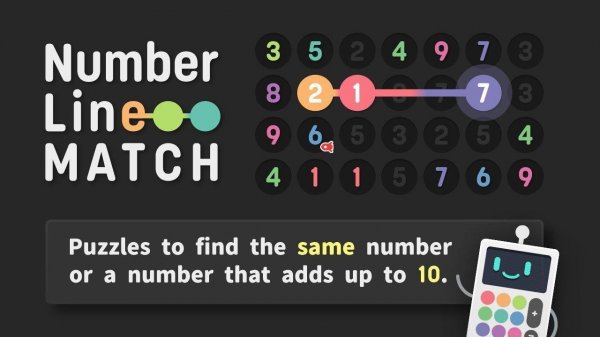
Players face a board filled with single-digit numbers. The goal is to select two adjacent cells—horizontally, vertically, or diagonally—that are either the same number or add up to exactly ten. A successful match removes both numbers, creating space. Each move consumes one of a limited set of actions. When the move counter reaches zero, a new row of numbers appears at the bottom, pushing existing tiles upward. The challenge is to keep the board from reaching the top edge.
Strategic Depth in Simple Rules
Though the core action is straightforward, thoughtful planning becomes essential. Choosing which pairs to link affects future options. Removing a high number early might open better matches later, while ignoring a pair could block progress. The limited move count adds pressure to think ahead. Players learn to scan the entire grid before committing, weighing short-term gains against long-term board control. This layer of strategy makes each session feel fresh.
Visual Design & User Experience
The interface is clean and uncluttered, with numbers displayed in a clear font against a neutral background. Color coding or subtle shading may help distinguish different values, though the focus remains on the numeric relationships. No distracting animations or loud effects interrupt the gameplay. This minimal approach suits short play sessions during breaks or longer periods of concentrated puzzling. The responsive controls register taps or clicks instantly, keeping the flow smooth.
Learning Curve & Progression
New players can grasp the rules within a few turns. The difficulty ramps naturally as the board fills faster and move counts become tighter. There is no explicit level structure; instead, each game is self-contained, with the challenge emerging from the random arrangement of numbers. Over time, players develop pattern recognition skills and mental arithmetic speed. The lack of timers or penalties for mistakes encourages experimentation and relaxed improvement.