
Core Reflex Loop
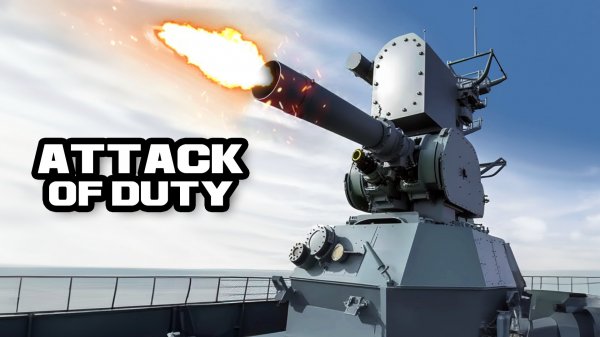
Precision Point: Rapid Response is built around a single demanding task: track and interact with targets that appear from various angles. Objects move across the screen in a steady stream, so your attention must stay on the whole play area rather than one corner. Each successful interception clears the way for the next wave, and the pace gradually increases, keeping the pressure on without sudden spikes.
Controls and Charged Responses
The control scheme is designed for immediate accessibility. You use a mouse or touch input to aim and interact with targets. A drag-to-aim mechanic lets you line up precise shots, while holding the input charges a stronger response for more resilient objects. This means newcomers can start playing without a steep learning curve, yet the charge mechanic adds a layer of timing and resource management for players who want to improve their accuracy.
Ground, Water, and Air Scenarios
Targets emerge from different settings, including ground, water, and air-based sequences. Each environment introduces slight variations in target behavior, such as speed or movement patterns. These differences prevent the gameplay from feeling repetitive and encourage you to adapt your aiming strategy depending on the context, adding a strategic element to the reflex-based action.
Progression and Difficulty Curve
As you advance, the game introduces more complex target formations and faster response times. The difficulty curve is gradual, allowing you to build skills before facing tougher challenges. This structured progression keeps the experience rewarding, as each new level feels like a natural step up rather than an abrupt jump.
Editorial Notes