
Linking Logic: The Core Mechanic
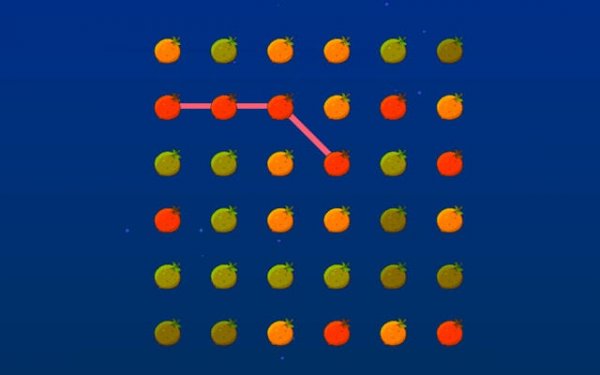
Every board in Orange Connect presents a grid of citrus fruits, and your task is to clear it by drawing a continuous line between two or more identical oranges. That line cannot cross any other fruit, obstacle, or barrier. The rule sounds simple, but it forces you to read the board as a map of open corridors rather than a collection of icons. Because the path must stay clear, you often need to remove oranges in a specific order to open routes for later matches.
Beating the Clock
A timer adds steady pressure to each level. You can plan ahead, but hesitation costs seconds. The game rewards quick pattern recognition: spotting a viable pair and tracing a safe route before the board changes. Later stages introduce barriers and special tiles that block obvious connections, so you must adjust your approach on the fly. Power-ups help clear stubborn sections when a board feels locked, but they are a resource to spend wisely, not a substitute for planning.
Progression and Obstacles
With over 60 levels, Orange Connect gradually layers in new obstacles and special tiles. Each level has a unique layout, so you cannot rely on a single memorized solution. Early boards teach the linking rule; later ones combine barriers, tight corridors, and time pressure to test how well you can prioritize matches. The difficulty curve stays gentle enough for casual play but still asks you to think a move or two ahead.
Controls and Accessibility
Touch or click controls work on both desktop and mobile, making the game easy to pick up for a short session or a longer run. The citrus visuals are bright and cheerful, and the family-safe content suits players of all ages. There is no complex setup: you open a level, scan the board, and start connecting. That low barrier to entry is a real strength for anyone who wants a puzzle that respects their time.






Editorial Notes