
How the Merging Works
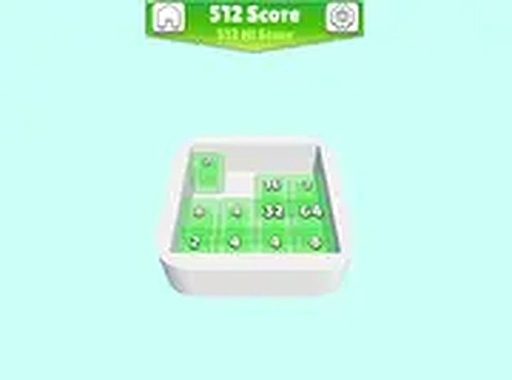
The core loop is straightforward: slide tiles across a grid to combine identical numbers. Each successful merge creates a tile with double the value, gradually building toward higher figures. The soft, bouncy tile design gives each move a tactile feel, and the absence of timers means players can pause to think through their strategy without pressure. The game rewards careful planning over quick reflexes.
Visual and Audio Feedback
A pastel color palette keeps the screen easy on the eyes. Each tile displays a soft gradient that shifts as numbers increase, so the board's progression is visible at a glance. Merging triggers a smooth animation where tiles compress and expand, paired with a gentle sound effect. This feedback loop makes each merge satisfying without becoming distracting. The interface stays clean and uncluttered, with the grid centered and minimal UI elements, so attention remains on the puzzle.
Playing in a Browser
Soft Merge 2048 runs directly in a web browser without downloads or installations. It adapts to different screen sizes, from desktop monitors to mobile phones, and touch controls respond accurately. The simple swipe or drag input makes it easy for newcomers to pick up, while the underlying logic offers enough depth for experienced puzzle enthusiasts. This cross-platform compatibility ensures a consistent experience whether at home or on the go.
Strategy and Mindful Play
Reaching higher numbers requires careful planning. Keeping the largest tile in one corner and building around it is a common strategy, but the game does not force a single approach. Players can experiment with different patterns and learn from each attempt. The limited grid space means every move matters, and the challenge lies in maintaining order as the board fills. This balance of simplicity and complexity gives the puzzle lasting appeal, and the repetitive merging process can feel meditative, helping to clear the mind after a busy day.





Editorial Notes